Automotive · Proof of concept · Case study
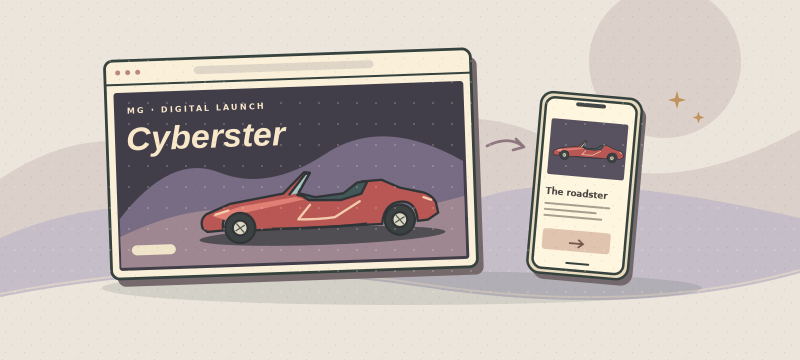
MG Motor Cyberster
Turning the Cyberster launch into a product story a visitor can follow.
- My role
- Design contribution to a narrative launch-page concept at Screenroot.
- Project scope
- MG Motor Cyberster digital launch experience and responsive storytelling.
- Delivery
- A four-part launch-page direction prepared for concept review.
APPROACH / Automotive · Proof of concept
My design process
How I approached the work, from the first question to a concrete design decision.
Frame the launch story
Identify what a visitor should understand about the Cyberster before continuing.
OUTPUTNarrative directionSequence the experience
Move from introduction to capabilities, experience and a meaningful next step.
OUTPUTFour-part storyboardConnect form and meaning
Pair each visual moment with the product point it explains.
OUTPUTLaunch-page conceptSet review criteria
Assess responsive continuity and define a future comprehension check.
OUTPUTConcept review criteria
Make interest in the car lead somewhere
The Cyberster concept had to create interest in a vehicle and give the visitor enough understanding to continue. A sequence of dramatic visuals could hold attention while leaving the product proposition unclear. The design challenge was deciding what each moment of the page should communicate.
Give the launch a reading order
The concept moved from introduction to product, then experience and next step. The opening establishes which vehicle is launching and why the visitor might care. Product sections explain relevant capabilities. Later visual moments connect those details to the experience of the car before the page asks the visitor to continue.
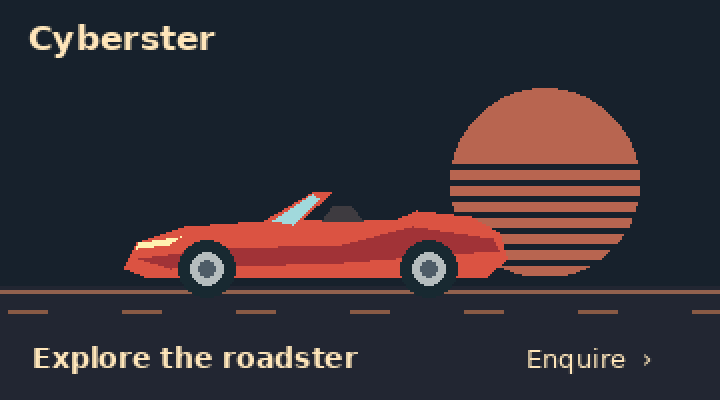
Introduce the vehicle. Focus on one capability. Offer the next step.
Make the image carry a product point
I approached the concept as a page narrative. An image earns its place when it helps explain the capability being discussed. Motion can reveal a detail or carry a reader into the next section, but the sequence still needs to be understandable when viewed one frame at a time on a phone.
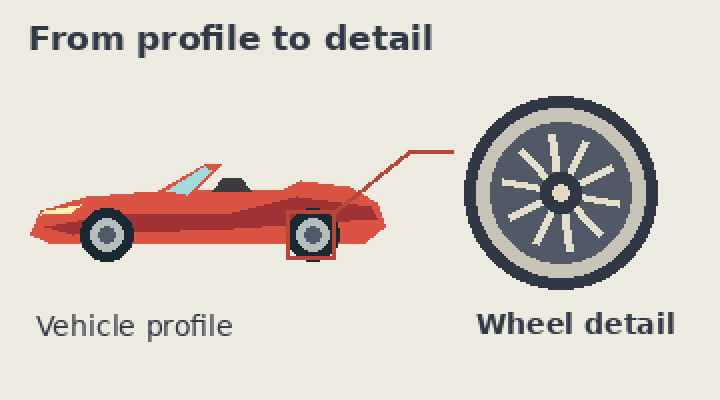
Establish the vehicle. Isolate the point being discussed. Explain what the image shows.
Review continuity across screen sizes
The design review centres on comprehension and responsive continuity. A visitor arriving at a product detail should be able to connect it back to the launch story and identify a meaningful onward action. These criteria make a creative direction concrete enough for stakeholders to assess before release.
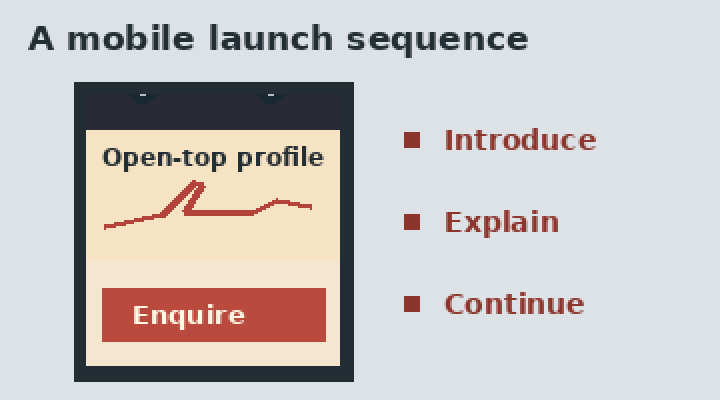
Keep the car identifiable. Place detail beside its explanation. Make the enquiry route visible.
Design decisions
- Opening
- Establish the launch story before introducing individual capabilities.
- Product moment
- Pair imagery with the particular point it explains.
- Next step
- Place a clear continuation after the visitor has product context.
Outcome
The engagement produced a narrative landing-page concept for the Cyberster. Its contribution was a sequence that connected visual appeal with product understanding and continuation. The documented outcome is the concept direction.
What I would measure next
A comprehension test could ask visitors to recall a capability and identify what they would do next after viewing the concept.